
Data Management Services
Our Data Management Services help businesses organize and maintain accurate information for smooth operations. We provide reliable Data Entry, Data Processing, Data Collection, Data Conversion, Transcription, and Scanning & Indexing, ensuring structured, clean, and easily accessible data for better efficiency and decision-making.
Data Entry Services
Accurate and organized data is essential for smooth business operations and informed decision-making. Data entry services help businesses convert large volumes of information from various sources into structured digital formats that are easy to manage, access, and analyze. By ensuring data accuracy and consistency, organizations can maintain reliable records and improve operational efficiency. Our data entry services focus on capturing, processing, and organizing data from multiple sources such as documents, spreadsheets, online forms, databases, and images. With a combination of skilled professionals and efficient workflows, we ensure that information is entered accurately and delivered in the format required by the client.


Online Data Entry
Online data entry involves entering information directly into web-based systems, online databases, or cloud platforms. This includes updating product catalogs, customer records, or business listings.
Offline Data Entry
Offline data entry involves entering data into spreadsheets or software systems without the need for an internet connection. The data is later uploaded or integrated into the required system.
Document Data Entry
This service includes entering information from physical or digital documents such as invoices, forms, reports, and contracts into structured formats like Excel sheets or databases.
Image Data Entry
Image data entry involves capturing text or numerical information from images or scanned files and converting it into editable digital formats.
Data Cleansing and Data Formatting
In addition to entering data, this service includes correcting errors, removing duplicates, and organizing data into standardized formats to improve accuracy and usability.
Data Conversion
Data conversion involves converting data from one format to another, such as PDF to Excel, Word to database entries, or scanned documents to digital records.
Data Processing Services
In today’s information-driven business environment, organizations handle large volumes of raw data from multiple sources every day. However, raw data alone cannot deliver meaningful insights unless it is properly organized and structured. Data processing services help transform unstructured or scattered data into clean, organized, and usable datasets that support analysis, reporting, and business operations. Data processing involves collecting, sorting, validating, and formatting data to ensure accuracy and consistency. By organizing data into structured formats such as spreadsheets, databases, or customized reports, businesses can easily analyze information and make informed decisions


Data Cleansing
Data cleansing focuses on identifying and correcting errors within datasets. This includes removing duplicate records, correcting inaccurate entries, and ensuring data consistency across systems.
Data Formatting and Standardization
Data collected from different sources may come in various formats. Data formatting services standardize the information into consistent structures, making it easier to analyze and integrate with other systems.
Data Sorting and Categorization
Sorting and categorization involve organizing data into meaningful groups or categories. This helps businesses quickly access relevant information and maintain well-structured datasets.
Data Conversion
Data conversion involves transforming data from one format to another, such as converting PDF files into Excel sheets, Word documents into databases, or images into editable text.
Data Enrichment
Data enrichment enhances existing datasets by adding additional information from reliable sources. This may include adding missing details such as contact information, company profiles, or product specifications.
Data Validation
Data validation ensures that the processed data is accurate, complete, and reliable. This step includes verifying entries, checking for inconsistencies, and ensuring that data meets predefined quality standards.
Data Collection Services
In today’s digital economy, data plays a crucial role in helping businesses understand markets, customers, and competitors. Data collection services involve gathering relevant information from various sources and organizing it in a structured format for analysis and business use. Accurate and reliable data collection enables organizations to make informed decisions, identify opportunities, and improve overall operational efficiency. Data can be collected from multiple online and offline sources such as websites, databases, reports, directories, surveys, and digital platforms. By systematically collecting and organizing this information, businesses gain valuable insights that support research, analytics, and strategic planning.


Web Data Collection
Web data collection involves gathering information from websites, online platforms, and digital marketplaces. This may include product details, pricing data, company information, customer reviews, and industry insights.
Market Data Collection
Market data collection focuses on gathering information about industry trends, competitor activities, consumer behavior, and market demand. Businesses use this data to understand their market environment and develop effective strategies.
Product Data Collection
This service involves collecting product information such as descriptions, specifications, pricing, images, and availability from multiple online sources. Product data collection is widely used by e-commerce businesses and online marketplaces.
Contact and Lead Data Collection
Contact data collection involves gathering business contact details such as company names, email addresses, phone numbers, and professional profiles. This data is often used for lead generation, marketing campaigns, and sales outreach.
Survey and Research Data Collection
Survey data collection gathers responses from questionnaires, feedback forms, or research studies. This information helps organizations understand customer preferences, satisfaction levels, and market trends.
Directory and Listing Data Collection
This service focuses on collecting information from business directories, listings, and professional platforms. Businesses often use this data for research, partnership opportunities, and market expansion.
Data Conversion Services
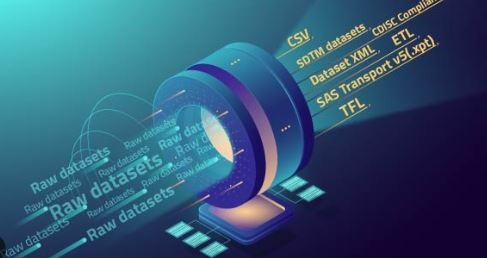
Businesses often handle data in multiple formats such as PDFs, spreadsheets, documents, images, and databases. Managing information across different formats can be challenging and may limit accessibility and usability. Data conversion services help transform data from one format into another, ensuring that it is structured, compatible, and easy to use across different systems and platforms. Data conversion improves data accessibility and enables organizations to integrate information into their workflows, databases, or analytical tools. By converting data into standardized formats, businesses can improve efficiency, maintain data consistency, and make better use of their information resources.
PDF to Excel / CSV Conversion
This service converts information from PDF documents into structured spreadsheet formats such as Excel or CSV. It allows businesses to easily analyze and manipulate data that was previously stored in static documents.
PDF to Word Conversion
Data stored in PDF files can be converted into editable Word documents, enabling businesses to modify, update, and reuse the content efficiently.
Image to Text Conversion
Using advanced technologies such as Optical Character Recognition (OCR), text from scanned documents or images can be extracted and converted into editable digital formats.
Document to Database Conversion
Information from documents, reports, or spreadsheets can be converted and organized into structured databases for easier access, storage, and analysis.
Data Format Conversion
Businesses often require data to be converted from one file format to another, such as Excel to CSV, CSV to database formats, or XML to structured datasets. This ensures compatibility with different software systems and applications.
Legacy Data Conversion
Older systems may store data in outdated formats that are not compatible with modern platforms. Legacy data conversion helps migrate and transform this data into modern formats while maintaining data integrity.
Transcription Services
In today’s digital environment, businesses often rely on audio and video content for communication, research, training, and documentation. Transcription services help convert spoken language from audio or video recordings into accurate written text. This makes the information easier to store, search, share, and analyze. In today’s digital environment, businesses often rely on audio and video content for communication, research, training, and documentation. Transcription services help convert spoken language from audio or video recordings into accurate written text. This makes the information easier to store, search, share, and analyze.


Audio Transcription
Audio transcription involves converting spoken content from audio recordings into written text. This includes interviews, meetings, conference calls, podcasts, and voice recordings.
Video Transcription
Video transcription converts dialogue and spoken content from video files into written text. It is commonly used for webinars, presentations, training videos, and online content.
Business Transcription
Business transcription focuses on converting corporate recordings such as meetings, conference calls, presentations, and internal discussions into organized written documents.
Interview Transcription
Researchers, journalists, and companies often conduct interviews that need to be documented. Interview transcription captures every spoken detail and converts it into a clear written record.
Legal Transcription
Legal transcription involves converting court hearings, legal statements, depositions, and legal recordings into written text for documentation and case management.
Research and Academic Transcription
Academic institutions and research organizations use transcription to document research interviews, focus groups, and recorded discussions for analysis and reporting.
Scanning and Indexing Services
Managing large volumes of physical documents can be time-consuming and inefficient for businesses. Scanning and indexing services help organizations convert paper-based documents into digital formats and organize them for easy access and retrieval. By digitizing documents and applying structured indexing, businesses can streamline document management, improve data accessibility, and reduce storage challenges. Scanning involves converting physical documents such as invoices, forms, contracts, and records into digital files. Indexing then organizes these files using specific keywords, categories, or reference numbers, allowing users to quickly locate and retrieve the required information.


Document Scanning
Document scanning converts physical files and paper records into digital formats such as PDF or image files. This helps businesses store and manage documents electronically while reducing dependency on paper-based systems.
Bulk Document Scanning
Organizations with large volumes of documents often require bulk scanning services. This process efficiently digitizes thousands of records while maintaining document clarity and organization.
Image Scanning
Image scanning focuses on converting photographs, diagrams, or image-based records into high-quality digital files for storage and archival purposes.
Document Indexing
Document indexing involves assigning keywords, tags, or reference numbers to scanned files. This allows users to quickly search and retrieve documents based on categories, document type, date, or other relevant attributes.
OCR-Based Indexing
Optical Character Recognition (OCR) technology can be used to extract text from scanned documents. This makes the documents searchable and allows important information to be indexed automatically.
Archive Digitization
Older records and archived documents can be scanned and indexed to preserve important information and make it accessible through digital systems.